
Recommended products
Lieferzeit
2-3 Tage
CD
Morungen
Songs From A Visionary Musical
Product Details
Description
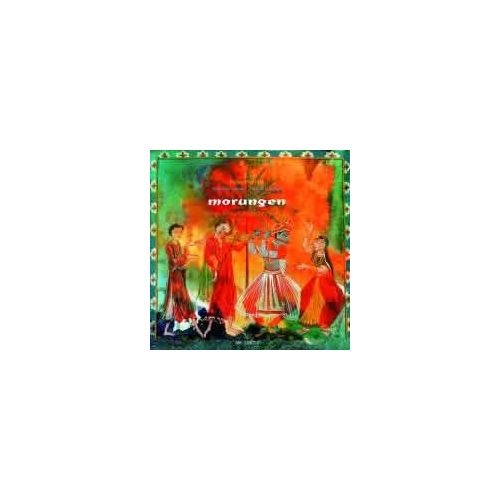
In the center of this musical and spiritual journey stands the historical minnesinger Heinrich von Morungen, who becomes the symbol of a stream of poets and musicians up to the present who have sought and found the sources of their inspiration in the East, beyond Europe’s borders. The melodies of his songs are lost, but his texts and an image have been passed down in the Manesse Codex. A chronicle from the St. Thomas Monastery in Leipzig, where Morungen died in 1222, reports that he made a trip to India. Pursuing an idea proposed by Peter Pannke, musicians from the East and from Europe got together to transform Morungen's texts into the musical traditions of the lands of his visionary journey.
Contents
Riqq Solo
Owe war umbe
Ich horte uf der heiden
Taksim on the Clarinet
Si ist ze allen eren
Taksim on the Ud
Vrowe mine smerze siech
Samai Muhayyar
We wie lange soll ich ringen & Sargam
West ich ob es verswiget möchte sin
Soror Mystica
Uns ist zergangen
Owe war umbe
Ich horte uf der heiden
Taksim on the Clarinet
Si ist ze allen eren
Taksim on the Ud
Vrowe mine smerze siech
Samai Muhayyar
We wie lange soll ich ringen & Sargam
West ich ob es verswiget möchte sin
Soror Mystica
Uns ist zergangen
More Information
Title:
Morungen
Songs From A Visionary Musical
Brand:
Wergo
Playing time:
67 ′30 ′′
Series:
Technical Details
Product number:
SM 10872
MAN EAN:
4010228108729
Weight:
0,07 kg
Persons
More from this series
Music of World Cultures
World Music – What Is Distant? What Is Near?
World Music is a not uncontroversial term for the rich variety of musical culture of our planet, and it comprises not only the musical traditions of the rural parts of Africa, Asia, and Latin America but also those of the high cultures of the Indian subcontinent, Japan, and China as well as the popular music of urban metropolises throughout the world today.
This edition of CDs, most of which were produced in cooperation with Berlin’s House of the Cultures of the World and the Music Department of Berlin’s Ethnological Museum, mixes up the categories of “foreign” and “familiar” not only by bringing closer things that are unknown and unfamiliar but also by revealing the familiar in the foreign and the foreign in the familiar.
The encounter with the varied musical ideas that exist outside of our own culture has made us more aware of our own categories and shown us that we can no longer operate with a single compulsory aesthetic but that we must instead speak of innumerable distinctive aesthetics. This conclusion is supported both by the extraordinary recordings and the high quality of the booklet texts on the WELTMUSIK label.


Reviews
Only registered users can write reviews. Please Sign in or create an account


